Hidden Weaknesses What Causes Seawalls to Fail Over Time
Posted on 12 March 2026 by everettcallahan — 4 min
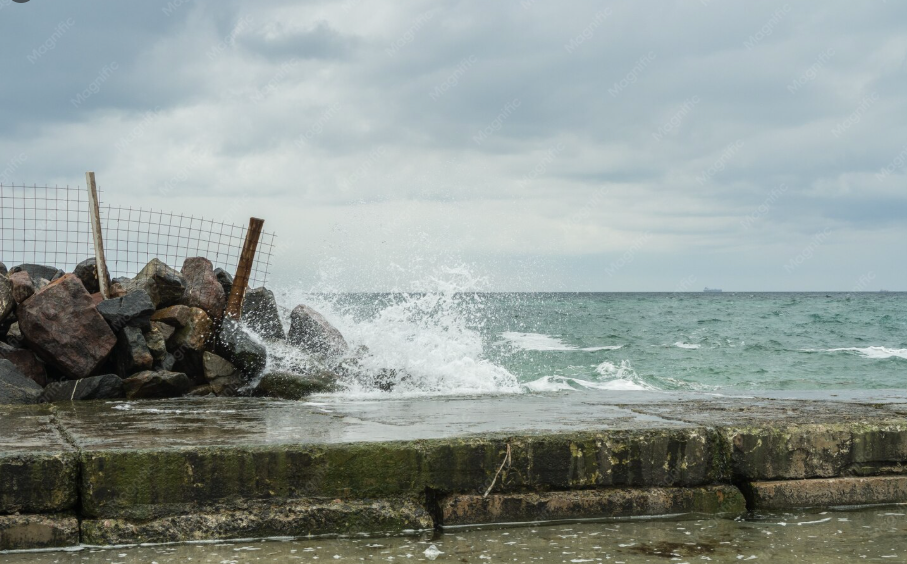
Seawalls are built to appear solid, stable, and capable of withstanding harsh marine conditions. From the outside, they often look unchanged for years, giving the impression that they are performing as expected. However, the real condition of a seawall is not always visible on the surface. Hidden weaknesses can develop slowly within the structure, eventually leading to failure if they are not addressed in time.
Failure rarely happens suddenly. It is usually the result of gradual deterioration caused by multiple factors working together. Understanding these causes helps in identifying risks early and taking the right steps toward reinforcing seawalls before failure begins to maintain long term performance.
Environmental Forces That Wear Down Seawalls
The marine environment constantly challenges seawalls with changing and unpredictable forces. These conditions can weaken even well constructed structures over time, especially when exposure is continuous.
- Repeated wave impact that creates surface fatigue and internal stress
- Saltwater exposure that accelerates corrosion of reinforcements
- Tidal fluctuations that cause expansion and contraction in materials
- Storm surges that apply sudden and extreme pressure
- Wind driven waves that increase erosion around the base
These environmental factors do not act alone. Their combined effect gradually reduces the strength of the seawall, making it more vulnerable to damage.
Structural and Design Related Weaknesses
In some cases, failure begins with limitations in the original design or construction. A seawall that is not properly planned for site specific conditions may struggle to handle long term stress. Even small design oversights can lead to significant problems over time.
- Insufficient foundation depth leading to instability
- Poor drainage design causing pressure buildup behind the wall
- Lack of reinforcement in high stress areas
- Inadequate height or alignment for changing water levels
- Use of materials not suited for marine conditions
When these issues exist, the seawall may begin to weaken earlier than expected, even under normal environmental conditions.
The Impact of Water Intrusion and Internal Damage
One of the most common hidden causes of seawall failure is water intrusion. Small cracks or gaps can allow water to seep into the structure, where it begins to affect internal components. Over time, this leads to weakening that may not be immediately visible.
- Water penetration that causes internal erosion
- Corrosion of steel reinforcements reducing structural strength
- Formation of voids within the wall or behind it
- Increased pressure from trapped water
- Gradual separation of structural elements
As internal damage progresses, the seawall loses its ability to resist external forces. This often results in visible signs such as cracking, leaning, or surface collapse.
Lack of Maintenance and Delayed Repairs
Even a well designed seawall requires regular care to maintain its condition. Without routine inspections and timely repairs, minor issues can grow into major structural concerns. Many failures occur simply because early warning signs were ignored.
Maintenance helps identify hidden weaknesses before they become critical. Addressing small cracks, improving drainage, and reinforcing weak sections can significantly extend the life of the seawall. Delayed action, on the other hand, allows damage to spread and increases the risk of failure.
Soil Movement and Foundation Instability
The stability of a seawall depends heavily on the ground beneath it. Coastal soils are often subject to movement due to erosion, water flow, and changing environmental conditions. When the foundation becomes unstable, the entire structure is affected.
Shifting soil can cause uneven support, leading to tilting or cracking. Erosion at the base may create gaps that reduce the wall’s ability to hold its position. Without a stable foundation, even the strongest seawall can begin to fail over time.
Conclusion
Seawall failure is rarely caused by a single issue. It is usually the result of hidden weaknesses that develop gradually through environmental stress, design limitations, and lack of maintenance. By understanding these causes and addressing them early, it is possible to prevent serious damage and extend the life of the structure. A proactive approach ensures that seawalls remain strong, reliable, and capable of protecting the shoreline for years to come.