When Water Pushes Harder Reinforcing Seawalls Before Failure Begins
Posted on 11 February 2026 by everettcallahan — 4 min
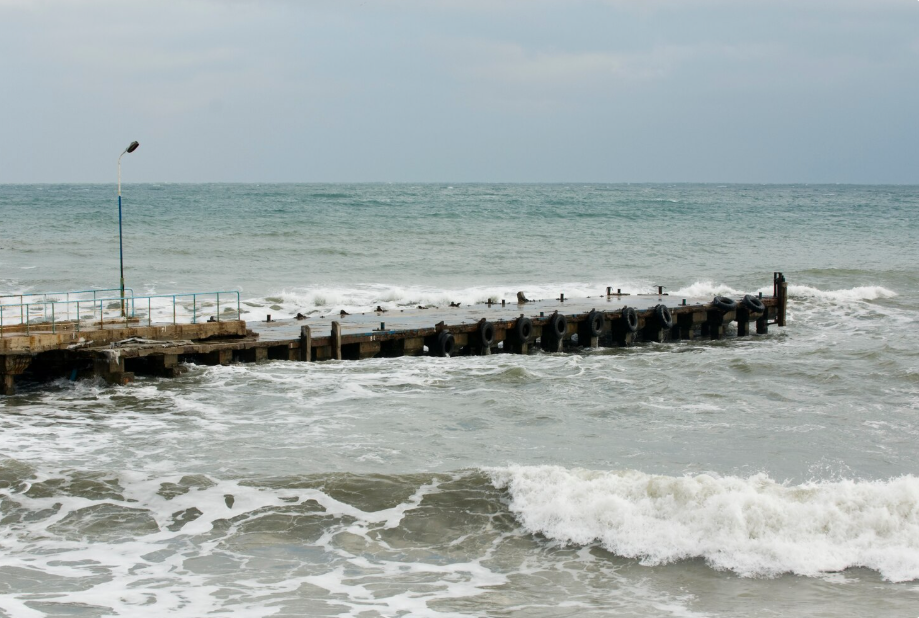
Coastal environments are becoming more demanding with stronger waves, rising water levels, and frequent storm activity. Smarter approaches to seawall construction are becoming increasingly important as seawalls that once performed well under moderate conditions now face greater structural stress. This growing pressure can slowly weaken even well built structures, especially if they were not designed for changing environmental conditions.
Water does not apply force in a single moment. It builds pressure over time through repeated impact, surge, and backflow. As this force increases, the structural capacity of a seawall can begin to decline. Reinforcing the seawall before visible failure begins is one of the most effective ways to maintain long term protection and avoid sudden damage while keeping coastal structures built for strength.
Early Indicators That Reinforcement Is Needed
Seawalls often show subtle signs when they are struggling to handle increasing pressure. These early indicators are easy to overlook, but they provide valuable insight into the condition of the structure. Recognizing them allows for timely reinforcement before the damage becomes severe, especially when incorporating living seawalls, which combine structural protection with natural elements to enhance durability and environmental resilience.
- Small cracks forming along the surface or joints
- Slight outward movement or bulging sections
- Water seepage during high tide or after storms
- Erosion or voids developing near the base
- Loose or weakened connections between structural elements
These signs suggest that the seawall is under strain and may require strengthening to maintain its performance.
Why Reinforcement Is Better Than Waiting for Repairs
Waiting until a seawall fails or shows major damage can lead to expensive and time consuming reconstruction. Reinforcement, on the other hand, focuses on strengthening the structure while it is still functional. This proactive approach helps extend the life of the seawall and prevents sudden breakdowns.
- Strengthens weak areas before they become critical
- Reduces the impact of continuous wave pressure
- Minimizes long term repair and reconstruction costs
- Maintains consistent protection for surrounding property
- Improves overall structural stability and performance
By addressing potential issues early, reinforcement ensures that the seawall continues to perform effectively without interruption.
Techniques Used to Strengthen Seawalls
Reinforcing a seawall involves more than simple surface fixes. It requires a strategic approach that targets both visible damage and internal weaknesses. The goal is to improve the structure’s ability to handle increased pressure without compromising its integrity.
- Adding structural supports to stabilize weakened sections
- Strengthening the foundation to prevent shifting and settlement
- Sealing cracks to stop water intrusion and internal erosion
- Installing anchors or tiebacks for additional support
- Improving drainage systems to reduce pressure behind the wall
These techniques help restore strength and enhance the seawall’s ability to withstand ongoing environmental stress.
The Role of Expert Assessment and Execution
Proper reinforcement begins with a detailed evaluation of the seawall. Understanding the extent of stress and identifying weak points is essential for choosing the right solution. Without accurate assessment, reinforcement efforts may not address the actual problem.
Our approach includes a thorough inspection of the structure, followed by targeted reinforcement methods tailored to site conditions. We consider factors such as wave intensity, soil stability, and material condition to ensure effective results. Each step is carried out with precision to maintain the integrity of the seawall while improving its performance.
This level of expertise ensures that reinforcement is not just a temporary fix but a long lasting improvement.
Preparing Seawalls for Future Conditions
As coastal environments continue to change, seawalls must be prepared to handle greater challenges. Reinforcement is not only about fixing current issues but also about strengthening the structure for future conditions.
By upgrading existing seawalls with modern techniques and materials, we improve their ability to withstand stronger waves and higher water levels. This forward thinking approach reduces the risk of future damage and ensures reliable protection over time.
Conclusion
When water pressure increases, waiting for visible failure is a risky decision. Reinforcing a seawall at the right time helps preserve its strength and prevents costly damage. By identifying early signs, applying effective reinforcement methods, and planning for future conditions, seawalls can continue to provide dependable protection even under growing coastal pressure.